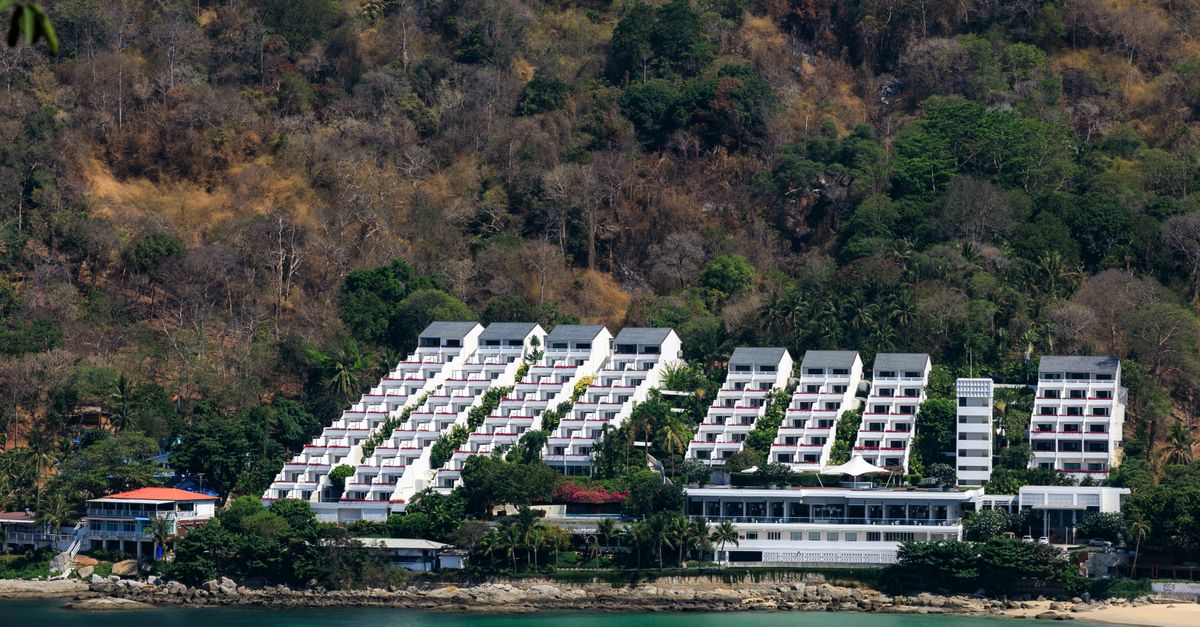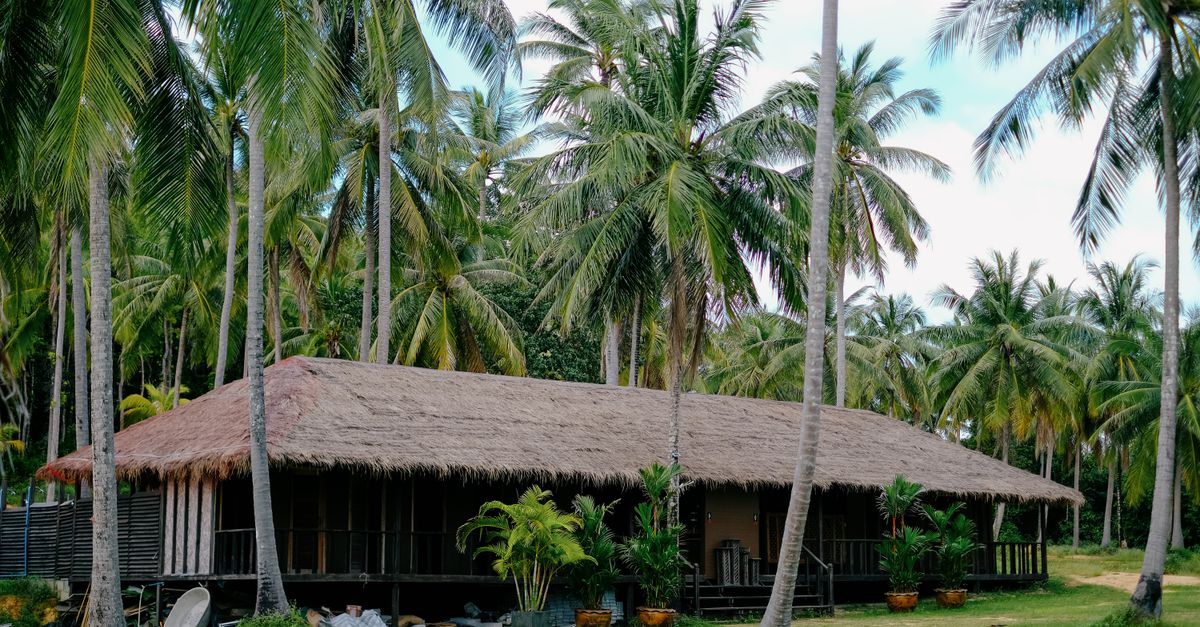
When people search for property in Rawai Nai Harn, they are usually after one thing above all: value. These two neighbouring bays at the southern tip of Phuket are the heart of the island's south-coast expat community — a place of marinas and seafood restaurants, relaxed days and genuine neighbourhoods, where entry prices sit among the most accessible on the island. This 2026 guide looks at buying property in Rawai and Nai Harn: what makes the south different, how ownership works, what your budget buys, and the rental yields you can realistically expect.
Phuket's south coast: value and community
The south is where value, community and lifestyle meet, and Rawai and Nai Harn sit right at its centre. Unlike the resort-driven west coast, this is a part of Phuket where people actually live year-round. A large, well-established community of foreign residents and long-stay visitors has grown up around the marinas, the fresh-seafood markets, the yoga studios and the easygoing pace, and that resident base is the single most important thing about the area from a property point of view.
It matters because it changes what the market is built on. Where some Phuket locations depend on a short tourist high season, Rawai and Nai Harn are underpinned by people who rent by the month and the year — retirees, remote workers, families and long-stayers — which supports dependable, low-drama occupancy for owners who let their properties. It also gives the area a real sense of place, with the services, healthcare access and expat infrastructure that make full-time living comfortable.
In the south, the number that really matters is not the headline gross yield but the occupancy behind it — a genuine resident community keeps well-chosen properties let all year.
Rawai: marinas, seafood and expat life
Rawai is the practical hub of the south. Its seafront is lined with seafood restaurants and the piers that connect Phuket to the smaller southern islands, and its network of inland streets holds one of the island's most active markets for villas and residential condominiums. This is not a manicured resort strip; it is a working, lived-in area with an unmistakable community feel, and that is precisely its appeal.
For buyers, Rawai offers some of the most accessible entry pricing on Phuket, along with a deep pool of long-term tenants. It suits value-focused investors and, especially, people who intend to spend real time on the island rather than visit for a week or two a year. It is also one of the easiest areas to buy into gradually: the mix of residential condos, townhouses and villas across a wide price range means you can start small and trade up within the same community as your plans firm up.
Nai Harn: beach, lake and low-rise living
Just around the headland, Nai Harn is the more scenic of the pair. It is built around a genuinely beautiful beach and a freshwater lake, framed by green hills and kept deliberately low-rise, which gives it a calmer, more residential character than the busier resort centres further north. Villas and low-rise condominiums here attract long-term residents and lifestyle buyers who want a real neighbourhood rather than a hotel forecourt.
Entry condo pricing in Nai Harn is broadly similar to Rawai, and the two areas are often shortlisted together. The choice usually comes down to feel: Rawai for its marinas, markets and bustle; Nai Harn for its beach, lake and quieter streets. The bay is also a magnet for the island's health-and-wellness crowd, with an established running, cycling and yoga scene around the lake and beach — part of the reason long-term tenants tend to stay put once they arrive.
Ownership and what your budget buys
Foreign buyers use the same two routes here as everywhere in Thailand. Condominiums can be owned in foreign freehold within a building's 49% foreign quota, which is the simplest and most popular option in the south's low-rise developments. Villas, because foreigners cannot own land, are held either on a registered long-term lease — commonly 30 years — or through a properly structured Thai company, always with independent legal advice.
On budget, the south is the island's value story. As of 2026, foreign-freehold income condominiums in Rawai and Nai Harn typically start from around THB 2–3M — among the most accessible entry points anywhere on Phuket — while villas rise from there depending on plot, pool and location. Across any purchase, allow roughly 5–7% on top for transfer taxes and fees, which typically means the 2% transfer fee plus either specific business tax of about 3.3% or stamp duty of 0.5%, along with legal and, for villas, lease-registration costs.
It is worth viewing across the range before you fix a number. Because the south spans everything from compact studios to sizeable pool villas, seeing a few options in person is the quickest way to calibrate what your budget buys here versus the pricier west coast — and the gap is often striking.
Lifestyle, connectivity and everyday living
Part of what you buy in the south is a way of life. Rawai and Nai Harn wrap around the island's southern tip, with Chalong Bay and its marinas a short drive away, so boating, diving and island-hopping become part of the everyday rhythm rather than a holiday novelty. The area is well set up for full-time living, with fresh markets, international restaurants, gyms and yoga studios, clinics and dependable expat services all close at hand.
The main trade-off is distance. The south sits at the opposite end of the island from the airport and the west-coast beaches, so factor in the drive if you plan to travel often or want to be near the Bang Tao amenities. For most residents and long-stayers, though, the community feel and the value more than compensate — this is an area people choose in order to stay, not just to visit.
Rental yields and who should buy
Rental returns in the south are steady rather than spectacular, which is exactly what many buyers want. As of 2026, condominiums in Rawai and Nai Harn typically achieve gross yields of around 5–6%, supported by strong year-round occupancy from the resident community rather than a seasonal tourist spike. Villas generally sit in the 6–8% gross range, and well-managed short-term villa lets can reach net returns of roughly 6–10% in the right hands.
The area's real strength is the reliability behind those numbers. Long-term letting here is low-effort and low-vacancy, which often makes the net yield more attractive than a flashier gross figure elsewhere. Our guide to Phuket rental yields by area breaks the ranges down further, and if you are choosing between regions, the best areas to buy property in Phuket sets the south against the west-coast and northern alternatives.
This is an area for value-focused investors, lifestyle buyers and future or part-time residents — people who care about community, everyday liveability and dependable long-term demand more than resort prestige or peak-season nightly rates.
The bottom line
Property in Rawai and Nai Harn offers something increasingly rare on Phuket: an accessible entry price attached to a real, year-round community. For buyers who want value, a genuine neighbourhood and steady rental demand — whether as an investment, a future home, or both — the south coast is one of the island's most compelling choices for 2026.
Tell us your budget and how you plan to use the property, and we will shortlist the right homes across Rawai and Nai Harn — get in touch for a free consultation or browse current listings.