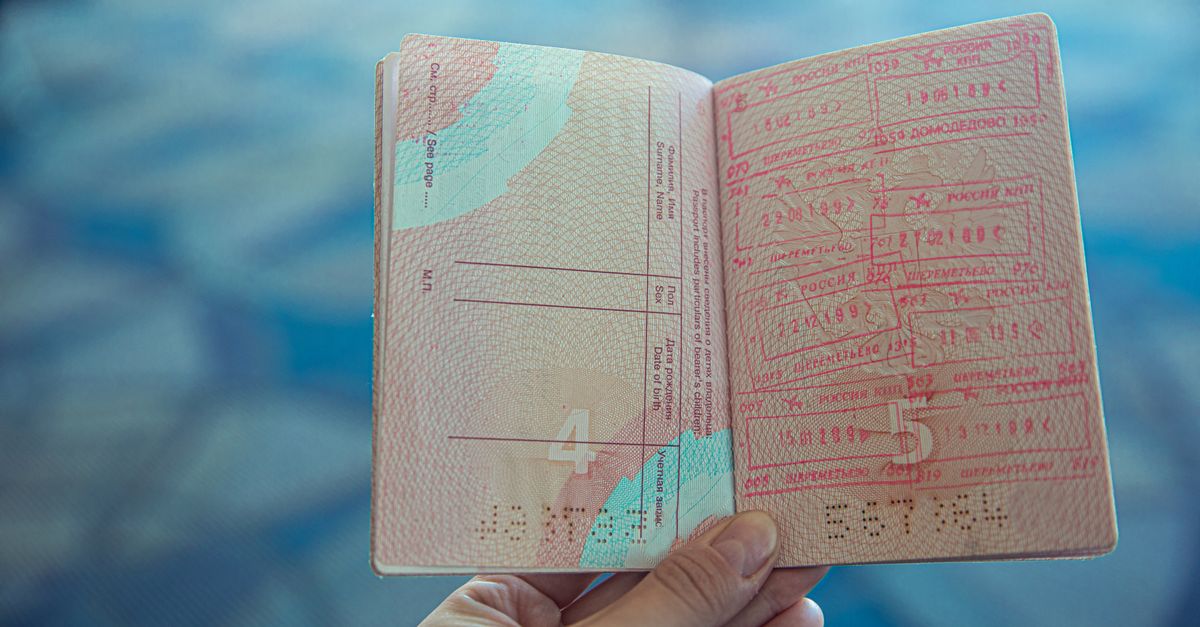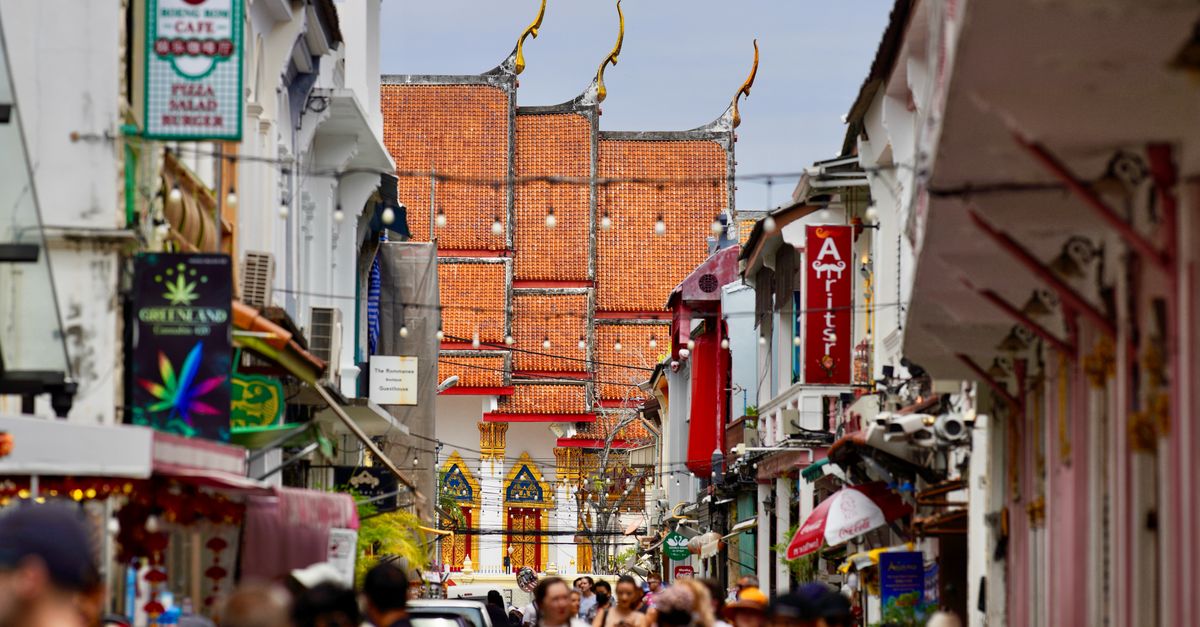
Moving to Phuket is one of those decisions that feels overwhelming until you break it into steps — after which it becomes a series of manageable tasks you can tick off one at a time. Every year, thousands of people relocate to the island: retirees escaping cold winters, remote workers chasing a better quality of life, and families drawn by the climate, the beaches and a slower pace. This 2026 checklist walks through the sensible order of things, from choosing a long-stay visa to shipping your belongings and settling in. One principle underpins all of it: buying property in Thailand does not, by itself, grant you residency, so treat your visa and your home as two separate projects that run in parallel.
Step 1: Choose the right long-stay visa
Your first task is deciding how you will legally stay in Thailand for longer than a tourist trip. Because ownership and immigration are separate systems, you cannot simply buy a condo and expect a residence permit — you qualify for a visa on its own criteria. The most common long-stay routes for new arrivals include:
- The retirement visa, open to applicants aged 50 and over who meet the financial requirements.
- The LTR (Long-Term Resident) visa, offering up to 10 years for qualifying investors, pensioners and skilled professionals.
- The Thailand Privilege (Elite) visa, a paid membership giving predictable long-stay rights without age or employment criteria.
- Education, business and marriage visas, depending on your circumstances.
Financial thresholds and processing details change and are applied case by case, so confirm the current rules with a licensed visa specialist before committing. Our guide to Thailand visas for property owners explains each route in more detail.
Step 2: Rent before you buy
Almost every seasoned expat gives the same advice: rent first, buy later. Phuket's areas are genuinely different in character, and a few months on the ground will teach you far more than any brochure. The relaxed expat heartland around Rawai and Nai Harn feels nothing like the resort buzz of Bang Tao or the nightlife of Patong, and the right base depends on your daily routine, not just the view from a balcony.
A good rule of thumb: rent for at least one full season before you buy, so you choose your area with local knowledge rather than holiday romance.
Renting also buys you time to understand how foreigners own property here before you commit capital. In short, foreigners can own condominiums in freehold within a building's 49% foreign-ownership quota, while villas and land are typically held on a 30-year leasehold or through a Thai company. The market is also largely cash-based, as Thai banks rarely lend to foreign buyers. When you are ready to purchase, our step-by-step buying guide and the current property listings are the place to start.
Step 3: Open a Thai bank account
A local bank account makes daily life far smoother — paying rent, utilities and bills, and avoiding foreign-card fees on every transaction. It also matters if you later buy, because bringing your purchase funds into the country as foreign currency and documenting the transfer is part of a clean condominium purchase.
Opening an account as a newcomer is usually possible, but the requirements vary by branch and change over time. You will typically need your passport, proof of a long-stay visa or a local address, and sometimes a reference. It is worth asking your agent or a relocation specialist which local branches are used to dealing with foreigners, as this can save several wasted trips across the island.
Step 4: Arrange health insurance
Phuket has well-regarded private hospitals with international-standard care, but treatment is pay-as-you-go, and a serious medical episode can be expensive without cover. Arrange health insurance before you arrive, or shortly after — either an international policy or a locally issued plan.
Some long-stay visas also require a minimum level of medical cover, so check whether your chosen route sets any conditions. As with any policy, weigh the excess, the annual limits and whether pre-existing conditions are included. The peace of mind is well worth the monthly cost, particularly for older arrivals and families with children.
Step 5: Sort out schools for families
If you are relocating with children, schooling often drives where you choose to live. Phuket has a strong cluster of international schools around Thalang, Cherng Talay and Chalong, offering British, American, IB and other curricula. Families frequently base themselves near Bang Tao and Cherng Talay precisely because the best-known campuses are close by.
Places at the most popular schools can be limited, so apply early and budget for registration and deposit costs on top of fees. Visiting in person, ideally during term time, gives you a much clearer sense of fit than any website ever will.
Step 6: Getting around — scooter vs car
Transport is one of the first practical decisions you will make. A scooter is cheap, nimble and the default way most residents get around, but Phuket's roads carry real risk, especially in the rainy season — so ride cautiously, always wear a helmet, and never ride beyond your experience. A car costs more but offers safety, comfort and space, which many families and older residents prefer.
Whichever you choose, sort out the paperwork properly. Visitors typically start with an international driving permit and later convert to a Thai licence. Driving legally and fully insured protects both you and your finances if anything goes wrong.
Step 7: Shipping and importing your belongings
Here the honest answer is that many people arrive light. Furniture, homewares and electronics are widely available and often inexpensive locally, and most rentals come furnished, so shipping a full container rarely pays for itself. Customs procedures and import duties can add both cost and complication.
That said, sentimental items, specialist equipment or high-quality furniture you already own may justify shipping. If so, use an experienced international mover, get the paperwork right, and be realistic about timescales. For most newcomers, bringing a few essentials and buying the rest on the island is the simpler and cheaper path.
Step 8: Settle in and build your routine
With the big pieces in place, settling in is about rhythm. Pick up a local SIM card, learn a few words of Thai, and tap into Phuket's large and welcoming international community through sports clubs, co-working spaces and neighbourhood groups. Get a feel for the seasons, too: the high season from roughly November to April is bright and busy, while the greener low season is quieter and wetter.
It also helps to keep an eye on your budget as you find your feet — our guide to the cost of living in Phuket sets realistic expectations. And if you are still weighing the move itself, our honest look at whether Phuket is a good place to live covers the trade-offs candidly.
The bottom line
Moving to Phuket rewards people who plan in the right order: secure a suitable visa, rent before you buy, set up your banking and insurance, and handle schools, transport and shipping calmly, one task at a time. Do that, and the island quickly shifts from an intimidating logistics puzzle to, simply, home.
When you are ready to turn a rental into a place of your own, we can help you do it properly. Browse current listings to see what suits your budget, or get in touch for a free consultation and we will guide you through every step.