Buying property in Phuket as a foreigner is entirely legal and, done properly, refreshingly straightforward. In short: you can own a condominium in your own name in full foreign freehold, most buyers pay in cash because Thai banks rarely lend to foreigners, and the whole transaction runs through seven clear steps — from setting your budget to registering ownership at the Land Office. This guide explains how it all works in 2026: what you can and cannot own, what it really costs, how financing and remote purchases work, and how to protect yourself with proper due diligence.
Can foreigners own property in Phuket?
Yes — with one important distinction that shapes every decision that follows. Thai law lets foreigners own a building but not the land beneath it. In practice that gives you two main routes.
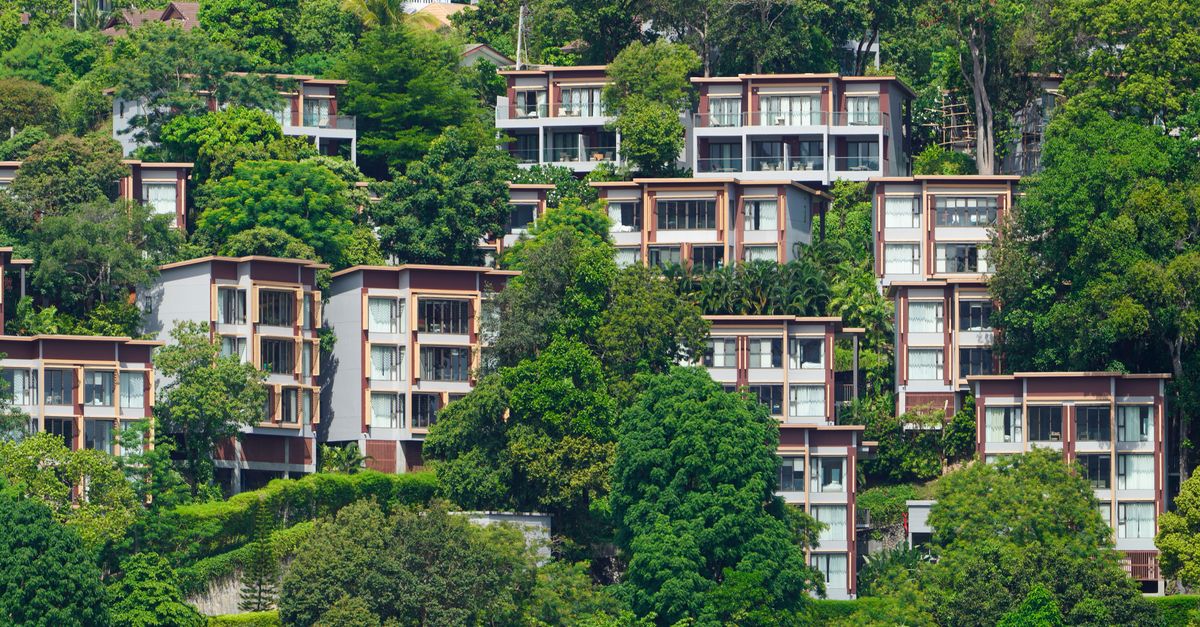
- Condominiums in foreign freehold. You can own a condo unit outright, in your own name, indefinitely. The only rule is the building's foreign quota: up to 49% of the total floor area in any registered condominium may be held by foreigners in freehold. As long as the unit you want sits inside that 49%, ownership is clean and internationally recognised.
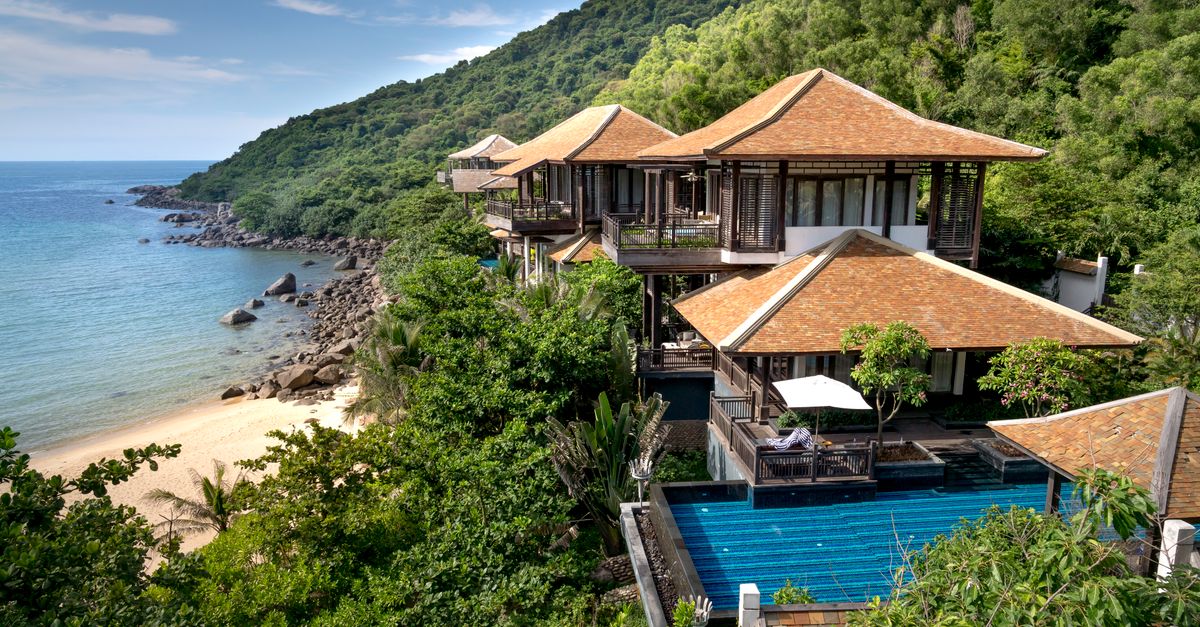
- Villas and houses via leasehold or a Thai company. Because you cannot own land, a villa is typically held through a registered long-term lease — commonly 30 years, with renewal handled contractually — often combined with freehold ownership of the building itself, or through a properly structured Thai company set up with lawyers.
If this is your first purchase, a condo in foreign freehold is usually the simplest entry point. If you want a private pool and a garden, a villa is the goal, just with a little more structuring. Our guides on buying a condo in Phuket and buying a villa in Phuket go deep on each.
The single most important rule to remember: foreigners own the building, not the land. Everything else — quotas, leases, company structures — exists to work within that principle.
Set your budget (and the costs on top of the price)
Before viewing anything, pin down a realistic all-in budget. As a rule of thumb, budget roughly 5–7% on top of the purchase price for transfer taxes and fees, and set aside a little more for legal work, a condo's sinking fund and utility meters, and furnishing.
Typical 2026 entry points give you a feel for the market:
- Studio and one-bedroom condos near Bang Tao or Kathu start from around THB 3.5–4.5M (roughly USD 100,000–130,000).
- Foreign-freehold income condos can be found from around THB 2–3M in areas such as Rawai and Nai Harn.
- THB 3–6M covers most of the island's income-focused inventory.
Villas sit above this, with the land, plot size and location driving the price. For a full line-by-line breakdown — transfer fee, business tax or stamp duty, legal fees, sinking fund, meters and ongoing costs — see the real cost of buying property in Phuket, which also points to the cost calculator in our buyer's guide.
How financing works in Phuket
Phuket is essentially a cash market for foreign buyers. Thai banks generally do not offer mortgages to non-residents, so most international buyers purchase completed property outright, or raise finance in their home country against other assets.
There is one very useful exception: off-plan property. When you buy from a developer before or during construction, payment is spread across interest-free stage payments over the roughly two-to-three-year build. This lets you enter with a smaller initial outlay and pay in instalments tied to construction milestones. Historically, buying off-plan has also captured capital appreciation during the build — around 15–22% per construction cycle as of 2026 (down from the 25–35% seen in 2021–23). We cover the mechanics, and the risks, in off-plan property in Phuket.
Be cautious with headline "guaranteed returns" of 6–8%. They can be genuine, but they are sometimes priced into an inflated purchase price — often 15–25% above market — so you may effectively be paying yourself back. Always compare the price against similar resale units before you sign.
The 7-step buying process
Here is the transaction from start to finish. A good agent and an independent lawyer will manage most of the detail for you.
- Define your budget and goals. Decide whether you are buying to live, to earn rental income, or both, and set your all-in budget including costs.
- Shortlist and view. Browse the catalog, pick a shortlist, and view in person or online — video viewings are completely normal in Phuket.
- Reservation deposit. Once you choose a property, a reservation agreement and deposit take it off the market and fix the price while checks are done.
- Legal due diligence. Your lawyer runs a title search and checks the developer or seller, the foreign quota, permits and any encumbrances before you are committed.
- Sign the Sale and Purchase Agreement. With due diligence clear, you sign the SPA setting out price, payment schedule, completion date and obligations.
- Transfer funds with an FET. You remit the purchase money into Thailand in foreign currency, and the receiving bank issues a Foreign Exchange Transaction (FET) form.
- Complete at the Land Office. Ownership is transferred (or the lease registered) at the Land Office, taxes and fees are paid, and you receive title.
Due diligence: what your lawyer checks
Never skip this stage. Independent legal due diligence is what separates a safe purchase from an expensive mistake, and it typically covers:
- Title search — confirming the seller genuinely owns a clean title with no mortgages, liens or disputes.
- Foreign quota — verifying the specific condo unit falls within the building's 49% foreign-freehold allocation.
- Developer or seller checks — company standing, track record, and for off-plan, permits, licences and land ownership.
- The contract — making sure the SPA or lease protects you, with fair payment terms, penalties and a clear definition of completion.
- Encumbrances and access — for villas, confirming legal road access, utilities and building permits on the land.
We arrange full legal and tax support for every transaction, but the lawyer works for you and reports to you. Our step-by-step buyer's guide explains the paperwork in more detail.
Why the FET form matters
The Foreign Exchange Transaction form deserves its own mention because it does two jobs. First, it is required to register foreign-freehold ownership of a condo — the Land Office needs evidence the funds arrived from abroad in foreign currency. Second, it is your key to repatriating the proceeds when you eventually sell, letting you send your capital back out of Thailand cleanly.
Always transfer the purchase money in foreign currency rather than pre-converting to baht, and make sure the bank issues the FET in the buyer's name. Your agent and lawyer will confirm the exact wording the Land Office needs.
Choosing an agent you can trust
Phuket's market is large and uneven in quality, so your choice of agent matters as much as the property. Look for a team that:
- Represents your interests, explains the ownership structure in plain language, and never rushes you past due diligence.
- Works with independent lawyers and is comfortable with remote purchases — video viewings plus a Power of Attorney let you buy from anywhere in the world.
- Knows the micro-markets: the difference in rental demand and price between Bang Tao, Layan, Kamala and Rawai is significant, and the right area depends on your goals.
- Is transparent about costs and realistic about yields — around 5–6% gross for condos and 6–8% for villas as of 2026 — rather than promising the moon.
Conclusion
Buying in Phuket comes down to understanding one principle — you own the building, not the land — and then following a well-worn seven-step path with an independent lawyer at your side. Get the ownership structure right, budget 5–7% for costs, transfer funds with an FET, and complete at the Land Office, and you can own a slice of one of Asia's most liveable islands with real confidence.
Ready to take the first step? Browse our current listings or get in touch for a free consultation. Tell us your budget and goals, and we will shortlist the right properties and guide you through every stage.