For investors who measure a property first by the income it produces, property in Patong sits near the top of the Phuket shortlist. Patong is the island's entertainment and nightlife hub, and it runs the highest short-term-rental turnover anywhere in Phuket — a walkable, always-busy resort town built around holiday demand. That makes it a very different proposition from the quiet residential south or the branded north. This guide explains what the Patong market actually offers overseas buyers in 2026, how foreigners can own here, what the numbers tend to look like, and who the area really suits. To see what is currently for sale, you can browse the full catalog at any time.
Why Patong is Phuket's rental engine
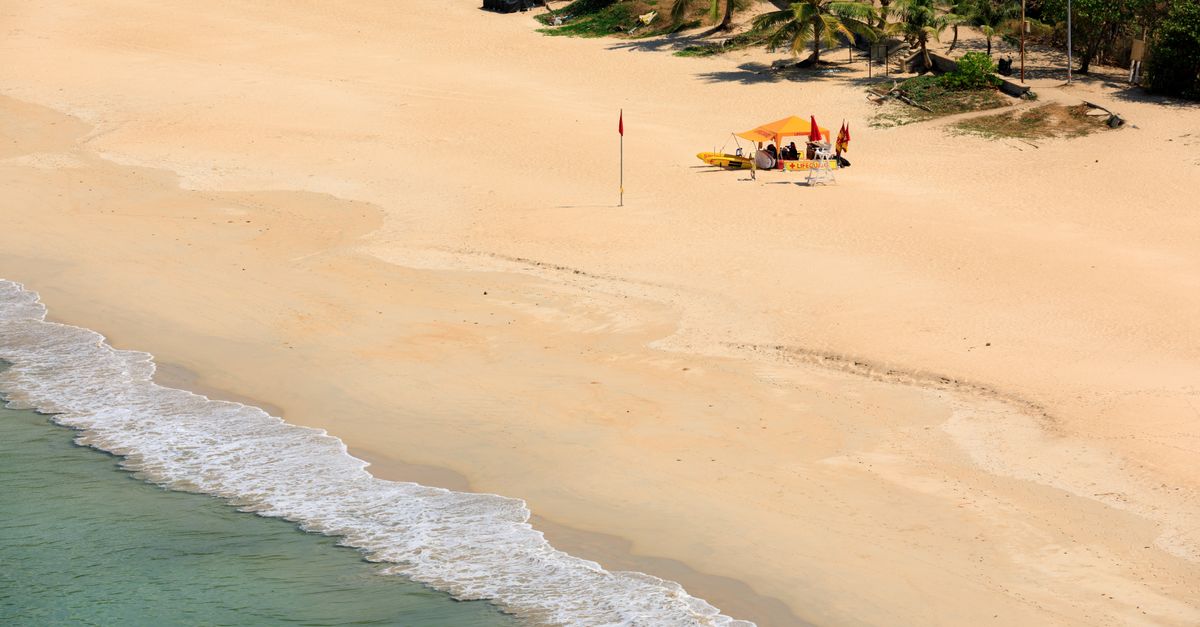
Patong wraps a long, curving beach with the densest concentration of hotels, restaurants, bars, shops and nightlife on the island. For a holidaymaker it is the easiest place to base a trip — almost everything is within walking distance, and there is always something open. For an owner, that same density is the point: it creates deep, year-round tourist demand and the island's fastest rental turnover. Where residential areas fill slowly with long-stay tenants, Patong's holiday units can cycle through guests week after week through the high season.
That intensity cuts both ways. Patong is busy, lively and unapologetically commercial — it is not where most buyers choose to live full-time. But if your priority is occupancy and yield rather than tranquillity, few places match it. Patong remains the clearest example on the island of a market built around holiday-rental income rather than lifestyle.
The Patong property market is mostly condos
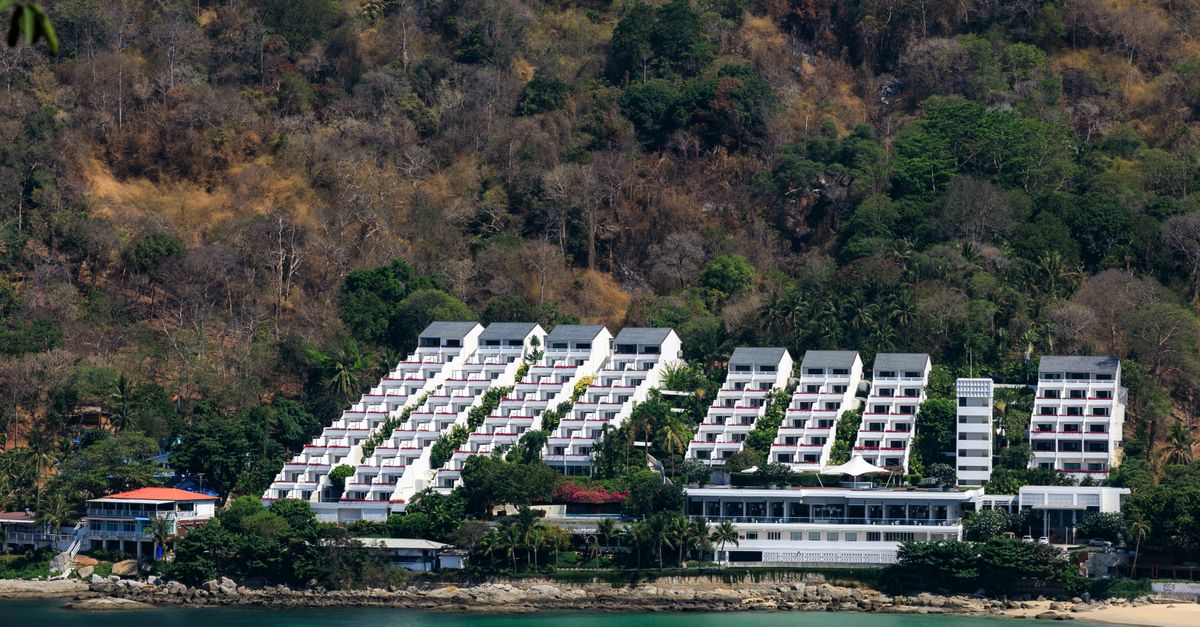
The typical Patong purchase for a foreign buyer is a condominium, not a villa. Land in and around the bay is limited and expensive, and demand is for lock-up-and-leave units that slot neatly into a rental programme. You will find everything from compact studios aimed squarely at holiday lets to larger sea-view apartments in hillside developments looking over the bay.
This condo-led market suits overseas investors well, because condominiums are also the most straightforward way for a foreigner to own outright — more on that below. Pricing in a core, high-demand area like Patong generally sits in the THB 3–6M band for the mainstream rentable stock, with sea views, newer buildings and branded schemes pushing higher. Entry-level units in less central spots can be found for less, but Patong is not one of the island's bargain markets — you are paying for location and rental reach.
Short-term rentals and the hotel-licence question
Patong's whole appeal is short-term letting, so it is essential to understand the rules. Under Thailand's Hotel Act, renting a unit for fewer than 30 days on a daily basis is generally treated as hotel-style accommodation and requires the appropriate hotel licence. Many condominium buildings also restrict or prohibit daily rentals in their own regulations, regardless of the wider law.
In practice this means two things. First, genuinely compliant daily holiday letting usually happens in buildings that hold a hotel licence or operate a professional, licensed rental programme — which is exactly what many Patong investment condos are designed around. Second, letting for 30 days or more is not caught by the same restriction and is straightforward. Before you buy for short-term income, confirm the specific building's licence status and house rules rather than assuming. Our guide to short-term vs long-term rental in Phuket walks through the trade-offs in detail.
In Patong, the licence status and rental rules of the specific building matter as much as the unit itself — verify them before you buy for short-term income.
How foreigners own property in Patong
The ownership rules here are the same as everywhere in Thailand. Foreigners can own a condominium outright on a freehold basis, provided the unit sits within the building's 49% foreign-ownership quota — the share of a condo development that may be held by non-Thais. This is the cleanest, most common route in Patong and fits the condo-heavy market perfectly.
Foreigners cannot own land in their own name, so a villa or landed home is acquired differently — typically through a long-term (30-year) leasehold or a properly structured Thai company. There is far less landed stock in Patong than in the south or north, so most buyers here never need to weigh that choice; the freehold-condo path covers the majority of the market. If you are new to the mechanics, our guide to buying a condo in Phuket covers the process end to end.
Yields and running the numbers
Patong is a yield story, so read the numbers carefully. Across Phuket, condominiums tend to produce roughly 5–6% gross, but well-run short-term units in a high-demand location can do better: professionally managed holiday lettings can reach net yields of around 6–10% across a strong high season. Patong, with its turnover, is one of the areas where the upper part of that range is realistically in play.
The caveats matter, though. Short-term income is more seasonal and more volatile than long-term letting, and it costs more to run — cleaning, higher management fees, furnishing wear and vacancy between guests all sit between the headline gross and your real net. Budget around 5–7% of the purchase price for transaction costs on top of the price itself, and always compare properties on net yield after management and tax, not on an eye-catching gross figure. For realistic, area-by-area ranges, see our Phuket rental yields by area guide.
What to look for in a Patong investment condo
If Patong's income potential appeals, a few things separate a strong buy from a weak one:
- Licence and rules. Confirm the building's hotel-licence status and whether its regulations permit short-term letting — this is the single most important check.
- Professional management. A licensed, well-run rental programme is what converts a good gross yield into a real net one; occupancy and pricing live or die on management quality.
- Size and layout. Compact studios and one-bedrooms tend to rent most consistently to holidaymakers, while larger units can be harder to keep full at a premium.
- View and walkability. Sea views and a location within easy walking distance of the beach and nightlife command higher nightly rates and stronger occupancy.
- Building quality and fees. Newer, well-maintained buildings with sensible common-area charges protect both your rate and your net return.
Get these right and Patong's turnover works in your favour; get them wrong and even a busy area can disappoint.
Who Patong suits — and who should look nearby
Patong is for the yield-focused, hands-off investor who is comfortable with an actively managed holiday-rental model and does not intend to live in the unit full-time. If that is you, the combination of deep demand and high turnover is hard to beat.
If you want Patong's convenience without its intensity, look just inland. Kathu sits minutes away over the hill — a more residential, better-value district with golf and easy access to Patong, popular for long-term lets. It is a common choice for buyers who want proximity to the action but a calmer, cheaper base.
The bottom line
Buying property in Patong is fundamentally an income decision. This is Phuket's busiest short-term market, a condo-led area where foreign buyers own freehold within the 49% quota, and where well-managed holiday units can reach the upper end of the island's yield range — as long as you respect the hotel-licence rules and the specific building's regulations. It rewards investors who value occupancy over quiet.
Tell us your budget and income target and we will shortlist licensed, well-located Patong condos with realistic net-yield projections — get in touch for a free consultation or browse current listings.