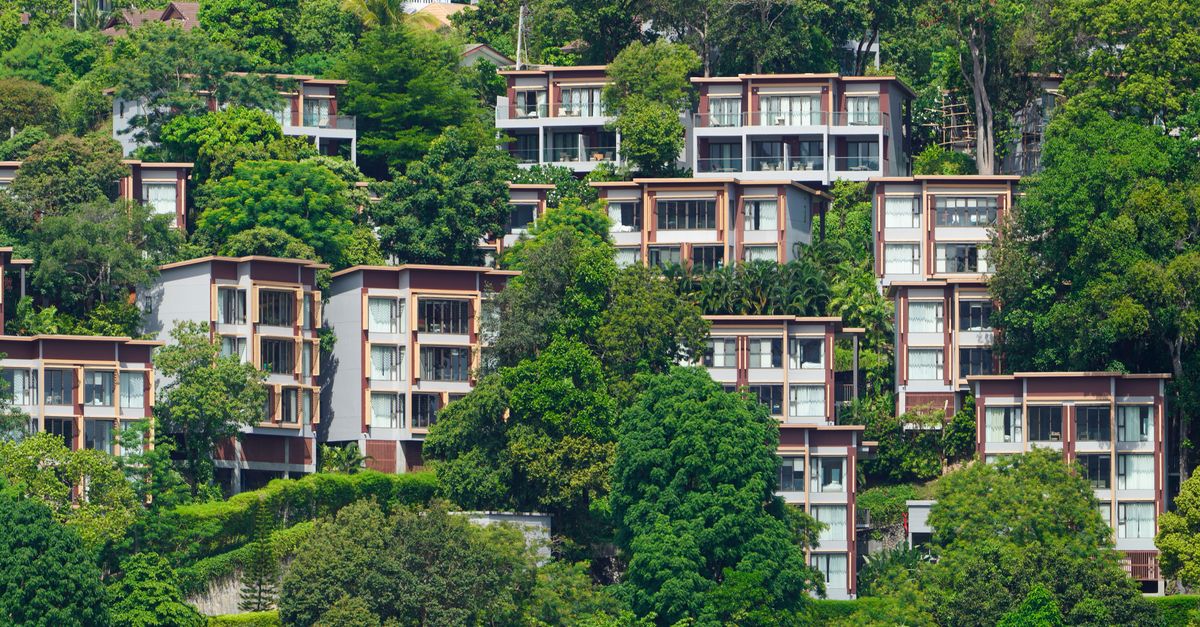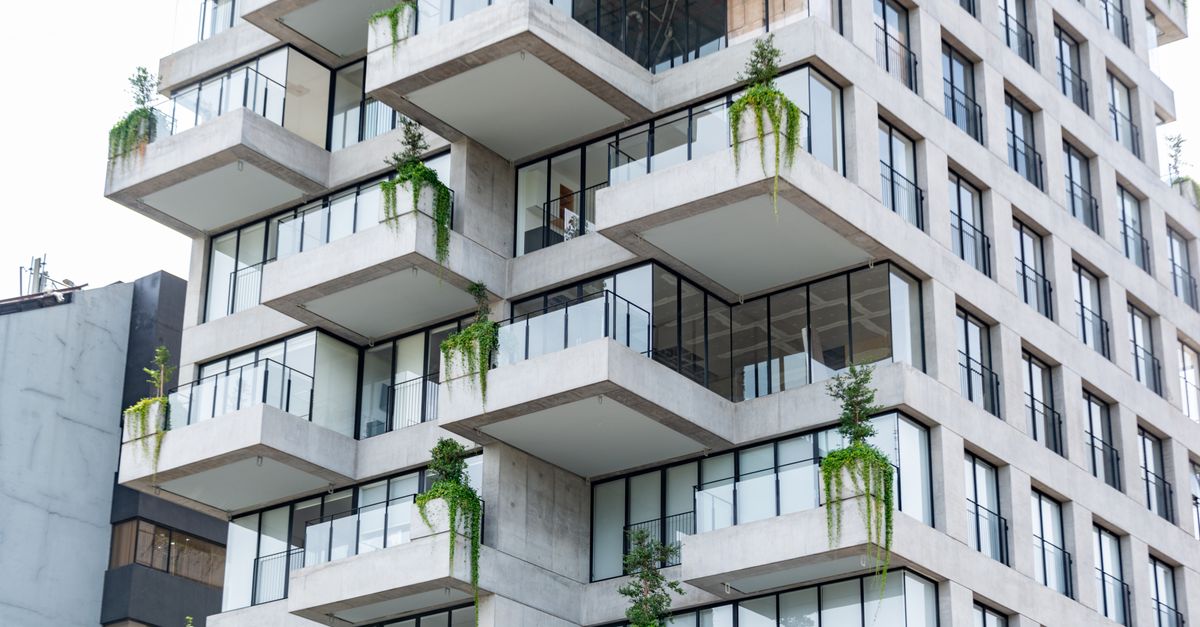
Buying a condo in Phuket is the most direct way for a foreigner to own property in Thailand outright. A condominium unit can be held in full foreign freehold — in your own name, indefinitely — provided it falls within the building's 49% foreign quota. That makes condos the natural starting point for most international buyers: no company to form, no lease to structure, and a clean title recognised worldwide. This complete 2026 guide covers how foreign ownership works, new versus resale, what a condo costs to buy, the rental yields you can realistically expect, and exactly what to check before you commit.
Why a condo is the simplest foreign purchase
Unlike land or villas, a condominium can be owned by a foreigner in freehold without any special structuring. You buy the unit in your own name, you hold it for as long as you like, and you can sell it on to a Thai or foreign buyer later.
That simplicity brings several practical advantages:
- Clean, direct ownership in your own name, with an internationally recognised title.
- Easy to purchase in cash, which suits Phuket's largely cash-based market.
- Straightforward to let and resell, with a broad pool of potential tenants and buyers.
- A clear paper trail via the Foreign Exchange Transaction (FET) form, which you will need both to register the freehold and to repatriate funds on resale.
A condo is also the easiest Phuket property to value, because comparable units in the same building give a clear reference point for both price and achievable rent — useful when you make an offer, and again when you come to sell.
If you want a private pool and garden instead, the trade-offs are covered in our buying a villa in Phuket guide. For the big-picture process, see how to buy property in Phuket.
Foreign freehold and the 49% quota
Thai law allows up to 49% of the total floor area of a registered condominium building to be owned by foreigners in freehold. The remaining 51% is reserved for Thai ownership. This quota is the single most important thing to verify about any unit you consider.
A few points worth understanding:
- Units within the foreign-freehold quota sometimes carry a slight premium, because they are in limited supply and attractive to international buyers.
- Thai-quota units can be cheaper, but a foreigner would need to hold them through a lease or company structure rather than freehold.
- Registering foreign freehold requires funds to arrive from abroad in foreign currency, documented by the FET form.
Always confirm your specific unit sits within the building's 49% foreign-freehold quota before you pay anything beyond a refundable reservation deposit. This is a core part of your lawyer's due diligence.
New-build versus resale
Both routes can be excellent; the right one depends on your timeline and appetite for risk.
New-build and off-plan condos are bought before or during construction. The attractions are interest-free stage payments over the roughly two-to-three-year build, modern facilities, a developer warranty, and the capital appreciation that has historically accrued during construction — around 15–22% per cycle as of 2026. The trade-off is completion risk and buying from plans rather than a finished unit; we cover this in depth in off-plan property in Phuket.
Resale condos are completed and tangible. You can inspect the actual unit and building, review its rental history, and often start earning income immediately — many resales come furnished and tenanted. What you gain in certainty you may give up in the appreciation that off-plan buyers capture during a build.
How to choose between them comes down to your priorities. Lean towards off-plan if you want the lowest entry cost, the newest product and the chance to capture appreciation during the build, and you are comfortable waiting for completion. Lean towards resale if you value certainty, want to see exactly what you are buying, and would like rental income from day one.
What it costs to buy a condo
Phuket's condo market has a genuine entry point for most budgets. As a guide for 2026:
- Studio and one-bedroom condos near Bang Tao or Kathu start from around THB 3.5–4.5M (roughly USD 100,000–130,000).
- Foreign-freehold income condos are available from around THB 2–3M in areas such as Rawai and Nai Harn.
- THB 3–6M covers most of the island's income-focused inventory.
On top of the price, budget roughly 5–7% for transfer taxes and fees, plus the sinking fund and utility meters if the unit is brand-new, and a furniture package if you plan to let it. Our cost of buying property in Phuket guide breaks every line item down and points to a cost calculator in the buyer's guide.
Rental yields and income potential
Condos are popular with investors because they are easy to let and manage. As of 2026, gross yields average around 5–6%, with one-bedroom units reaching about 6% or a little more and larger units typically returning less. Well-managed short-term rentals can achieve a higher gross figure, with net returns in the region of 6–10% once costs are accounted for. Phuket's rental calendar has a strong high season from roughly November to April, so annual occupancy — not peak nightly rates alone — is what ultimately determines your net return.
A few drivers matter more than the headline number:
- Unit size — compact one-beds and studios tend to be the sweet spot for yield.
- Location — proximity to a popular beach and amenities supports occupancy.
- Management — a good rental manager is the difference between gross and net.
- Building rules — some condos restrict short-term letting, which affects strategy.
What to check before you buy
Before you commit, make sure your agent and lawyer have confirmed:
- Foreign quota — that your specific unit is available in foreign freehold.
- Title and seller — a clean title search and, for off-plan, the developer's track record, permits and land ownership.
- Building management — the health of the juristic person, the maintenance fee level, and the sinking fund balance.
- Rental rules — whether the building permits the letting strategy you have in mind.
- Realistic net yield — the return after fees and management, not just the advertised gross.
- FET planning — how funds will be remitted so the freehold can be registered cleanly.
Best areas for condos
Phuket is a collection of very different micro-markets, and the right one depends on your goals:
- Bang Tao and Cherng Talay — the island's premier lifestyle hub, with strong year-round rental demand near the Laguna area and the beach.
- Kamala — quieter and scenic, popular with buyers who want a calmer setting within easy reach of Patong.
- Rawai and Nai Harn — the value end of the island in the south, with attractive entry prices and solid yields.
- Kathu — an inland, well-priced option close to Patong that appeals to long-stay tenants.
Browse current condos across all of these areas in our catalog.
Conclusion
A Phuket condo offers something rare for a foreign buyer: clean freehold ownership in your own name, a low cash entry point, and dependable rental demand. Get the quota confirmed, choose between new and resale with eyes open, budget 5–7% for costs, and focus on net yield rather than the headline figure, and a condo can be both an easy first purchase and a sound investment.
Looking for the right unit? Browse our condo listings or get in touch for a free consultation, and we will shortlist foreign-freehold units that match your budget and goals.