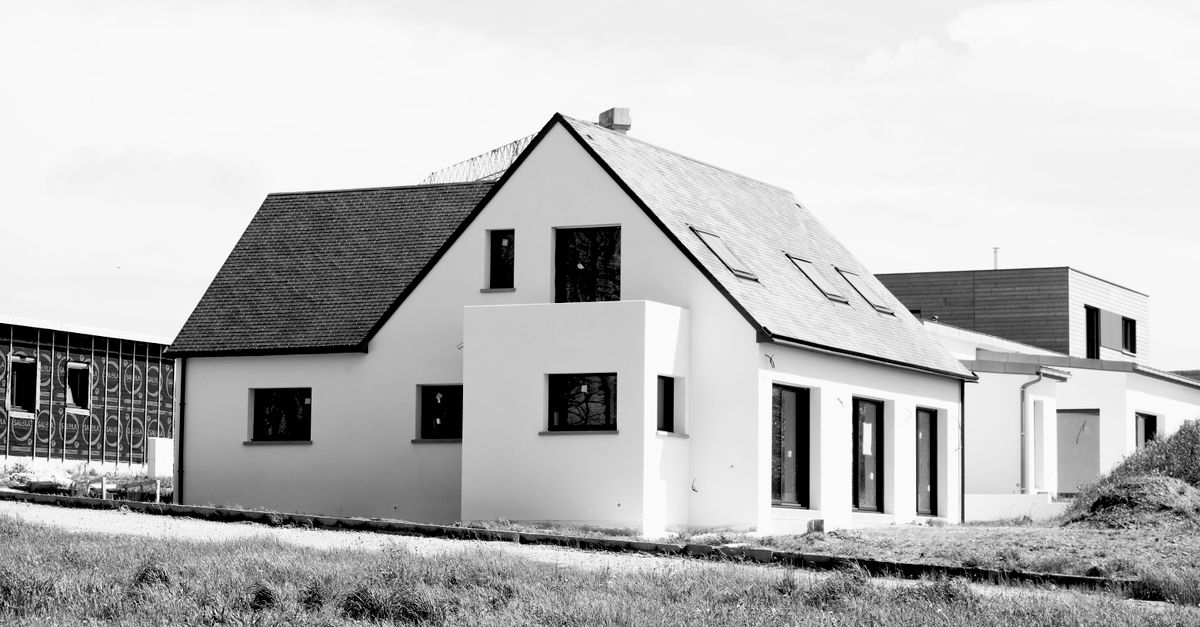
Choosing between a new-build and a resale property in Phuket is really a choice between convenience and value. A new-build — whether bought off-plan during construction or freshly completed — gives you modern design, a developer warranty, interest-free stage payments and first pick of the foreign-freehold units in a building. A resale gives you a home you can walk through, measure and let from day one, usually at a keener price and with more room to negotiate. Neither is universally better. This 2026 guide compares the two across the points that genuinely shape a buying decision: price, payment terms, foreign-quota availability, condition and warranty, rental readiness and negotiating leverage.
New-build, off-plan and resale: the definitions
It helps to separate three things that often get lumped together:
- Off-plan — you buy from a developer before or during construction, from plans and a show unit, and pay in stages over roughly a two-to-three-year build.
- New-build (completed) — a recently finished unit bought from the developer, ready to move into but never previously owned.
- Resale — a unit sold by its current owner, whether it is two years old or twenty.
The first two are primary-market purchases from a developer; the third is a secondary-market purchase from a private seller. That distinction drives almost every difference that follows. For the full mechanics of an off-plan purchase, see our guide to off-plan property in Phuket.
Price and payment terms
This is where the two paths differ most sharply.
With a new off-plan unit, you typically reserve with a booking deposit, sign the Sale and Purchase Agreement, then pay in interest-free instalments tied to construction milestones over the build. Because Phuket's market is largely cash-based and Thai mortgages are difficult for foreigners, this staged structure is one of the few ways to spread the cost without a loan — a genuine advantage if your funds are arriving over time.
A resale is almost always paid in full in cash: a reservation deposit to take the unit off the market, then the balance at the Land Office on transfer, usually within a few weeks. You need the whole sum ready sooner, but you own a finished, income-ready asset the moment you complete.
On headline price, resale units can look cheaper per square metre, particularly older stock, while a new-build carries a premium for its condition and warranty. Off-plan sits in between: buy early and you often pay less than the same unit will fetch once completed. Whichever route you choose, budget around 5–7% on top of the price for transfer taxes and fees — our guide to the cost of buying property in Phuket breaks every line item down.
Foreign-quota availability
For condominiums, the single most important legal difference is the foreign-freehold quota. A Thai condominium building can sell up to 49% of its total floor area into foreign freehold; the rest is Thai-quota.
With a new-build or off-plan condo, the developer still controls that quota, so buying early usually gives you the best chance of securing a foreign-freehold unit with the view and floor you want. With a resale, availability depends entirely on the individual unit: if it is already held in foreign freehold, it can transfer to you the same way; if it sits in the Thai quota — and the building's foreign 49% is full — you may only be able to take it on a registered leasehold instead.
Always confirm the quota position in writing before you commit, and remember you will need a Foreign Exchange Transaction (FET) form from your Thai bank to register foreign freehold. Our guide to buying a condo in Phuket covers quota checks in detail.
Condition, specification and warranty
A new-build's biggest draw is that everything is new: current design, modern facilities and a developer warranty with a defects (snagging) period after handover. The trade-off, with off-plan specifically, is specification risk — you are buying from renders and a show unit, so a loose contract can leave the finished product different from what you pictured. A firm specification and a defects-liability clause in the contract are your protection.
A resale is the opposite: what you see is what you get. You can inspect the actual unit, test the air-conditioning, check the water pressure and read the building's condition first-hand. There is usually no developer warranty left, and an older unit may need refurbishment or new appliances — costs worth factoring into your offer.
Rental readiness and income
If income matters to you, timing is everything.
A resale is rent-ready. The utility meters are installed, the sinking fund was paid by the first owner, and many resales come at least partly furnished — so you can list it for holiday or long-term rental almost immediately after completion.
A new-build needs setting up before it earns: a furniture package, utility-meter installation and a one-off sinking-fund contribution are all payable around handover, and an off-plan unit produces no income at all until the building completes. That gap can be worth it for a brand-new, in-demand unit, but it is real, and you should plan your cash flow around it.
Negotiation and where the leverage sits
Resale and primary purchases reward different tactics.
With a resale, you are dealing with a private seller, and price is genuinely negotiable — especially with a motivated owner who has already bought elsewhere or wants a quick, clean sale. There is often room on price, on inclusions such as furniture, and on timing.
With a developer, the list price tends to hold firmer, because discounting it undermines every other buyer in the building. What developers offer instead are incentives: a furniture package, a period of free rental management, a contribution towards transfer fees, or a better unit at the same price. The leverage is real — it is just expressed as value rather than a headline discount, so ask what is on the table.
Weighing the risks
Each path carries its own risk to manage, not to fear:
- Off-plan and new-build carry completion and developer risk — delays, or in rare cases a developer who fails to deliver. You reduce this by choosing an established developer, insisting on penalties for delay in the contract, and having a lawyer review everything before you pay each instalment.
- Resale carries condition and title risk — hidden defects, or a title with a mortgage, encumbrance or access issue you did not know about. You reduce this with a proper inspection and thorough legal due diligence before you transfer funds.
In both cases the safeguard is the same: independent legal due diligence and a well-drafted contract. Our checklist on due diligence when buying property in Thailand walks through exactly what to verify.
Which option is right for you
A quick way to decide:
- Choose a new-build or off-plan if you value modern design and a warranty, want to spread payments interest-free over the build, or are seeking the best foreign-freehold availability in a specific development.
- Choose a resale if you want to see exactly what you are buying, own and let it immediately, negotiate harder on price, or move in without a construction wait.
Many buyers let their goal decide. A lifestyle buyer wanting a turnkey holiday home often leans towards a resale or a completed new-build, while an investor comfortable with a two-year horizon may prefer off-plan for the staged payments and appreciation potential. Whichever way you lean, comparing live examples helps — you can weigh new and resale homes across the island, from Bang Tao to the quieter south, in our catalog.
Conclusion
There is no single winner in the new-versus-resale question — only the right fit for your budget, timeline and plans. New-builds reward you with modern quality, staged payments and quota availability; resales reward you with certainty, immediate income and negotiating room. Weigh the factors above against your own priorities, and back your choice with proper due diligence and a solid contract either way.
Not sure which suits you? Browse our current listings or book a free consultation, and we will compare specific new and resale options side by side for your budget and goals.